Overview
Navigating the rugged terrains that off-roading offers demands not just courage but also a deep understanding of your vehicle’s capabilities. Central to this is mastering the low-range (4L) setting on your 4WD—a feature that, when used correctly, can significantly enhance your vehicle's traction and control in demanding off-road scenarios. This article delves into the mechanics of low-range gear, its benefits, and practical advice on when and how to engage 4L to optimise your off-road performance.
Understanding the Low-Range Gear
The low-range gear in a 4WD is designed to provide maximum power and torque at low speeds, essential for overcoming steep inclines, rocky terrains, and other challenging off-road obstacles.
Audience: Whether you’re a seasoned off-roader or a newcomer eager to tackle your first trail, understanding how to effectively use your 4WD’s low-range gear is crucial for a safe and exhilarating adventure.
The Mechanics Behind 4L
The 4L setting reduces the gear ratio between the engine and the wheels, which means the engine runs faster to keep the wheels moving slowly. This setup gives your 4WD more power and torque at lower speeds, enabling it to navigate tough terrains with ease.
Benefits of Using 4L in Off-Roading
Enhanced Traction: By providing more control at lower speeds, 4L helps maintain traction on slippery or uneven surfaces.
Increased Torque: Essential for climbing steep inclines or powering through mud and sand.
Better Control: Low speeds mean more time to react to obstacles, reducing the risk of vehicle damage.
When to Engage Low-Range Gear
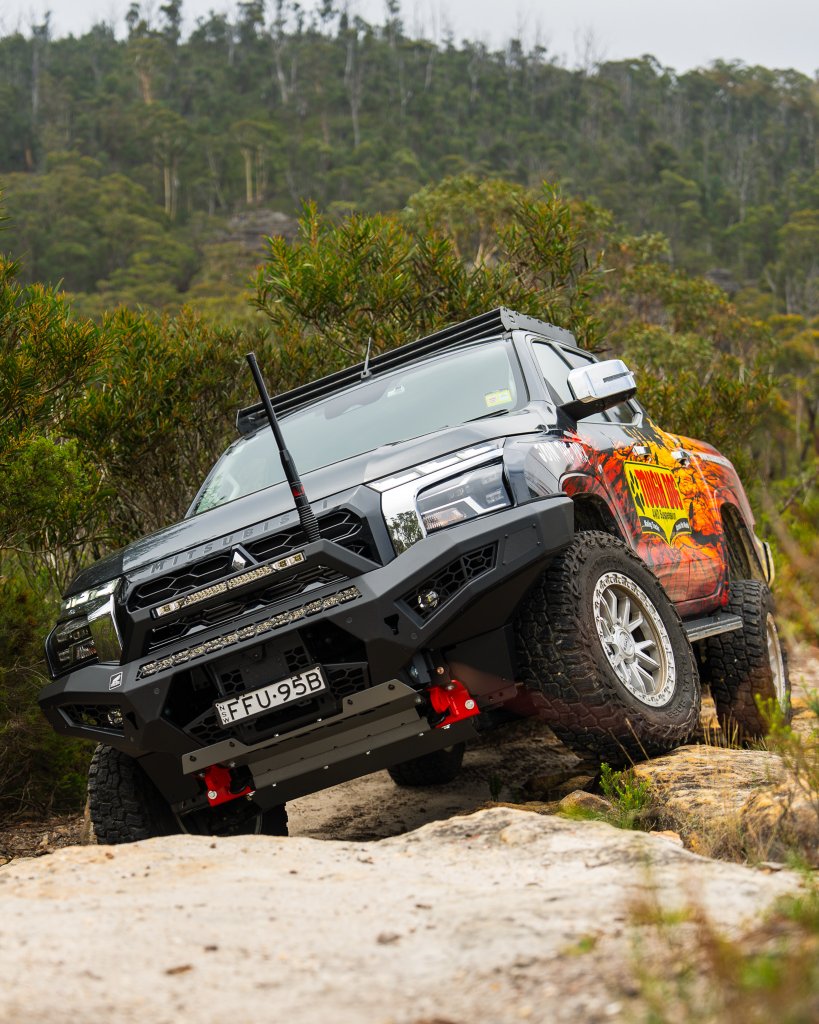
Steep Inclines and Declines: When facing a steep hill, engaging 4L helps maintain a steady pace without overworking the brakes or engine.
Rocky Terrains: The increased torque and control in 4L are ideal for navigating rocky trails, allowing for precise manoeuvring.
Mud and Sand: In soft terrains where maintaining momentum is key, 4L provides the necessary power to keep moving forward without spinning your wheels.
How to Engage 4L
Stop the Vehicle: Before shifting into 4L, bring your vehicle to a complete stop to prevent damage to the transmission.
Shift into Neutral: Move the gearbox into neutral. This step is crucial for engaging 4L smoothly.
Engage 4L: Shift into low range following your vehicle’s specific procedure. This usually involves a separate lever or an electronic switch.
Proceed with Caution: Once engaged, proceed slowly and steadily, allowing the low-range gearing to do the heavy lifting.
Tips for Using Low-Range Gear Effectively
Practice Makes Perfect: Familiarise yourself with the 4L setting in a safe, controlled environment before heading onto challenging trails.
Monitor Your Speed: Keep your speed low in 4L to prevent damage to your vehicle and maintain control.
Disengage Appropriately: Return to high range (4H) or 2WD as soon as the challenging terrain has been navigated to prevent unnecessary strain on your vehicle.
Conclusion: Leveraging 4L for Off-Road Mastery
Mastering the use of your 4WD’s low-range gear is a game-changer for off-road performance, providing the power, control, and confidence to tackle even the most daunting terrains. By understanding when and how to engage 4L effectively, you ensure that your off-roading adventures are not just thrilling but also safe and controlled. As you prepare to hit the trails in 2024, remember that the secret to off-road success lies not just in the power of your vehicle but in your ability to harness that power through mastering your 4WD’s capabilities.
For further insights and detailed guides on optimising your off-road experience, exploring dedicated 4WD forums and resources can provide valuable information and support from a community of like-minded enthusiasts.